


AC or DC: which charging station to choose
The difference is not the plug but where AC is converted to DC — and how much time the driver has to charge.
An AC station (alternating current, 7 kW) is for overnight charging at home or in a residential complex, when the car is parked for hours. A DC station (direct current, 20–400 kW) is for fast charging at car parks, fuel stations and highways: from 20–30 minutes on DC 120 kW. Homes take AC, businesses take DC.
What the difference is
An EV battery charges on direct current. An AC station supplies alternating current, and the car's on-board charger converts it — that charger limits the speed. A DC station converts the current itself and charges the battery directly, so it is much faster.
When to choose AC
In the Pulse EV range, AC 7 kW is for personal use only and is not part of the investment program.
- A private house or a parking space in a residential complex
- The car is parked overnight or all working day
- A limited budget: AC 7 kW costs 2,912,000 UZS incl. VAT
When to choose DC
- Café, car service, small car park — DC 20 kW, from 36,400,000 UZS
- Mall, business center, fuel station — DC 60 kW: 40–60 minutes for a day's range
- Highways and large malls — DC 120 kW: 20–30 minutes
- Taxi fleets and hubs — DC 240 and 400 kW
Suitable stations
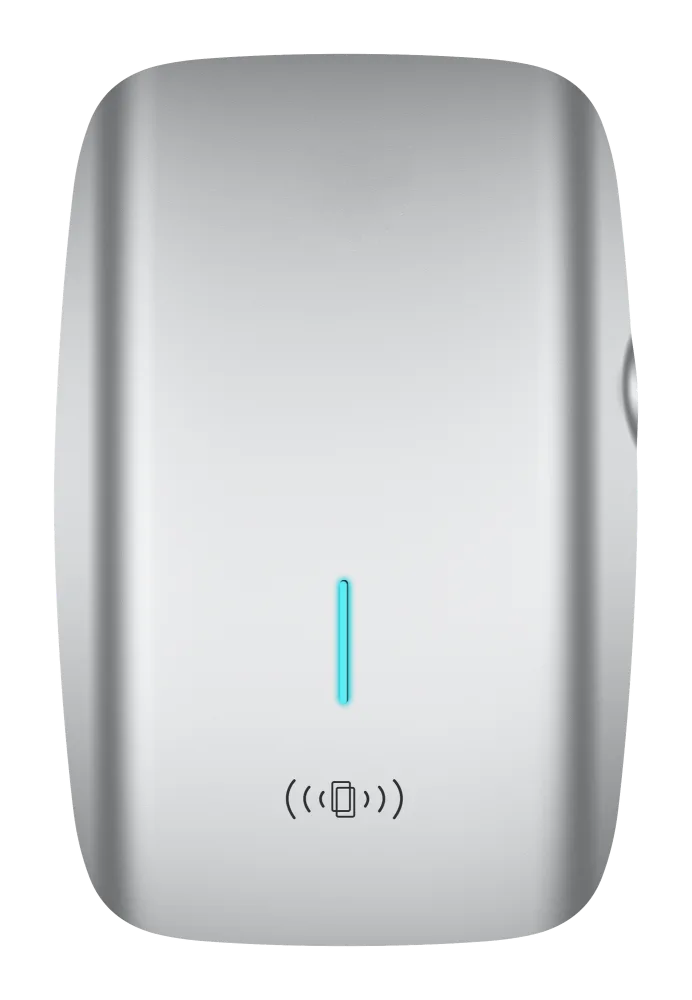
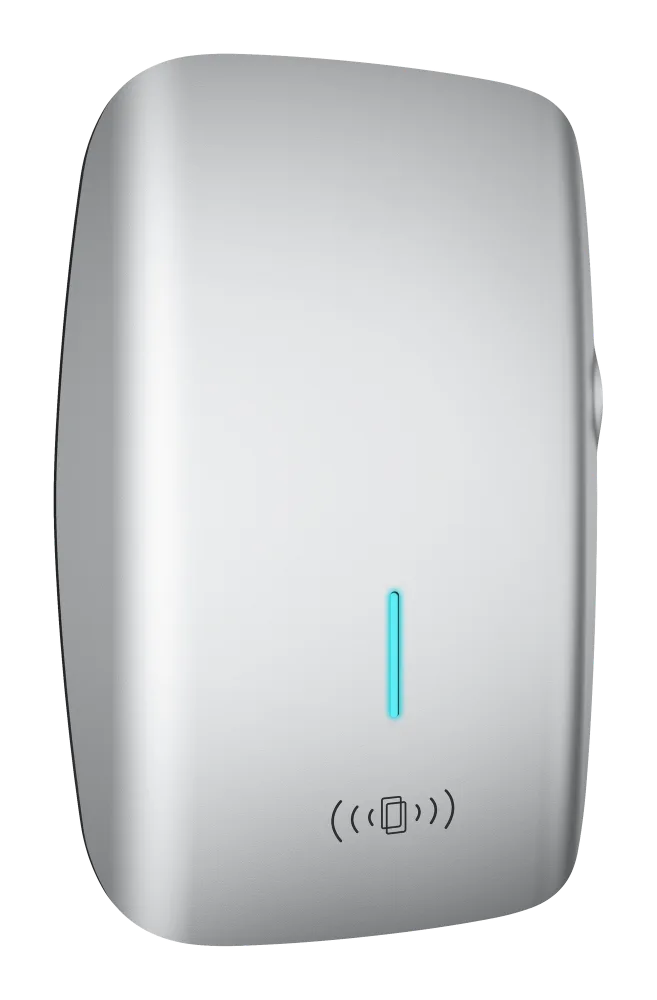
AC smart charger
Residential complexes, offices, private homes.
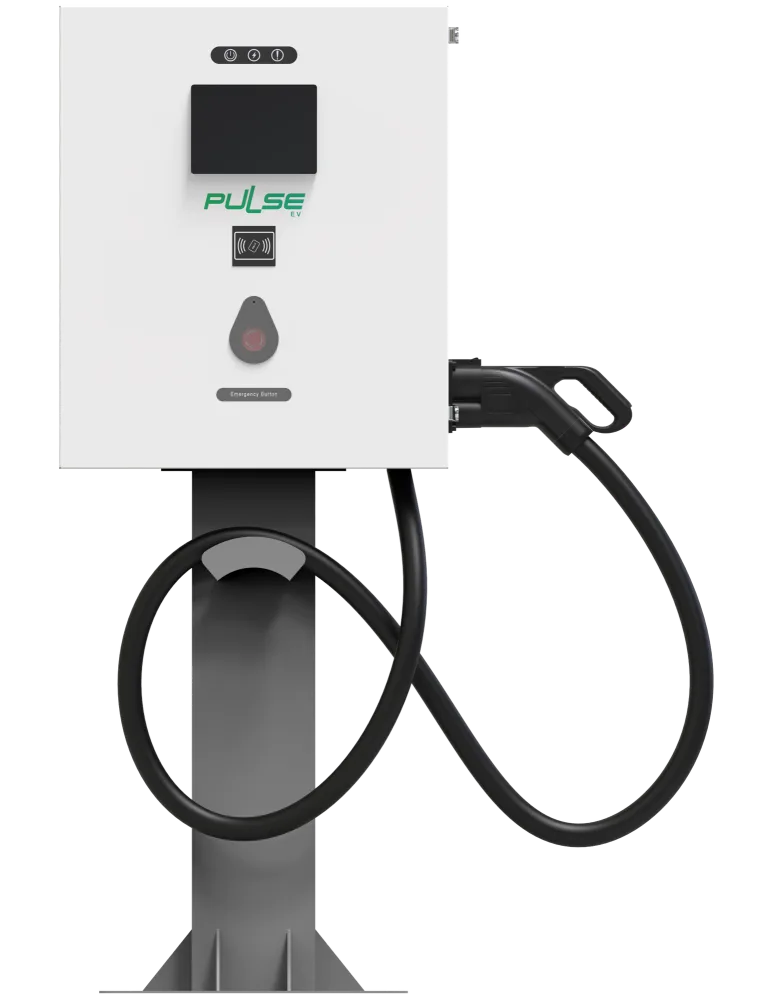
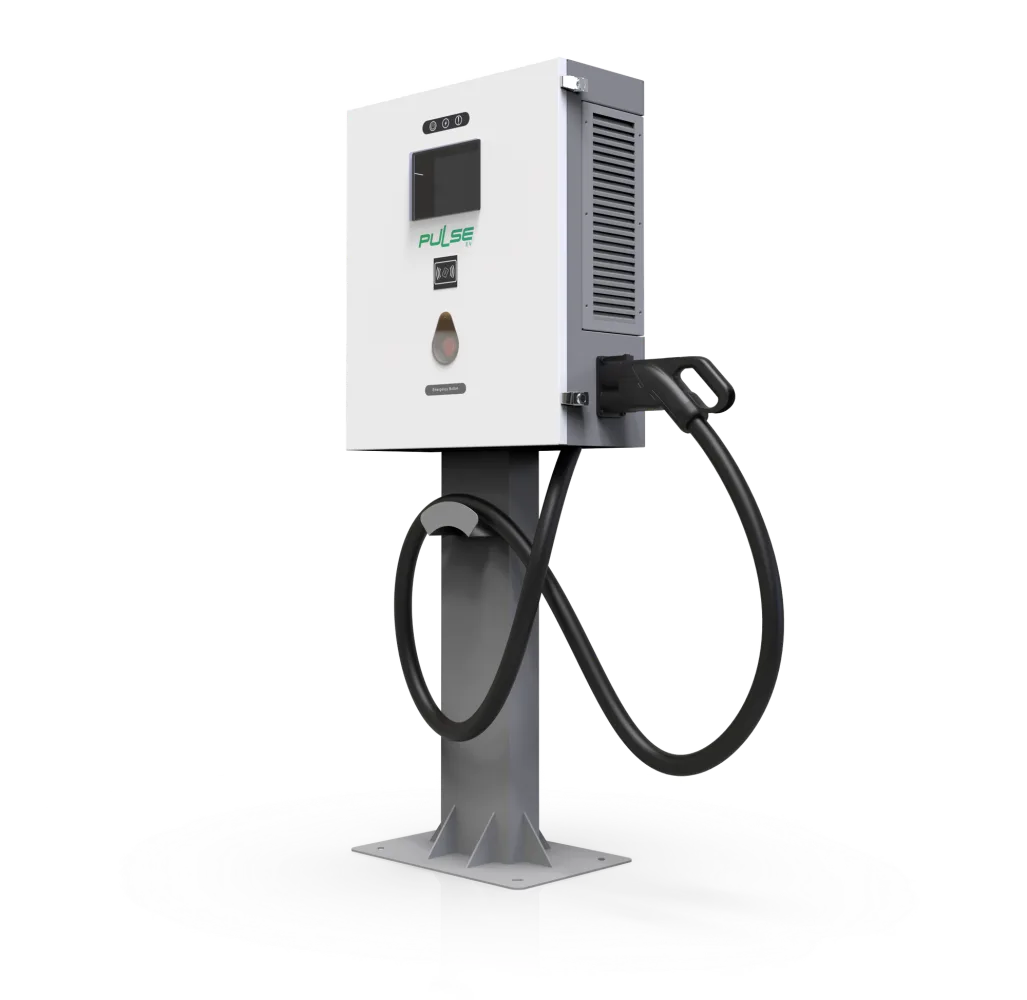
DC fast charging station
Small parking lots, cafés, car services.
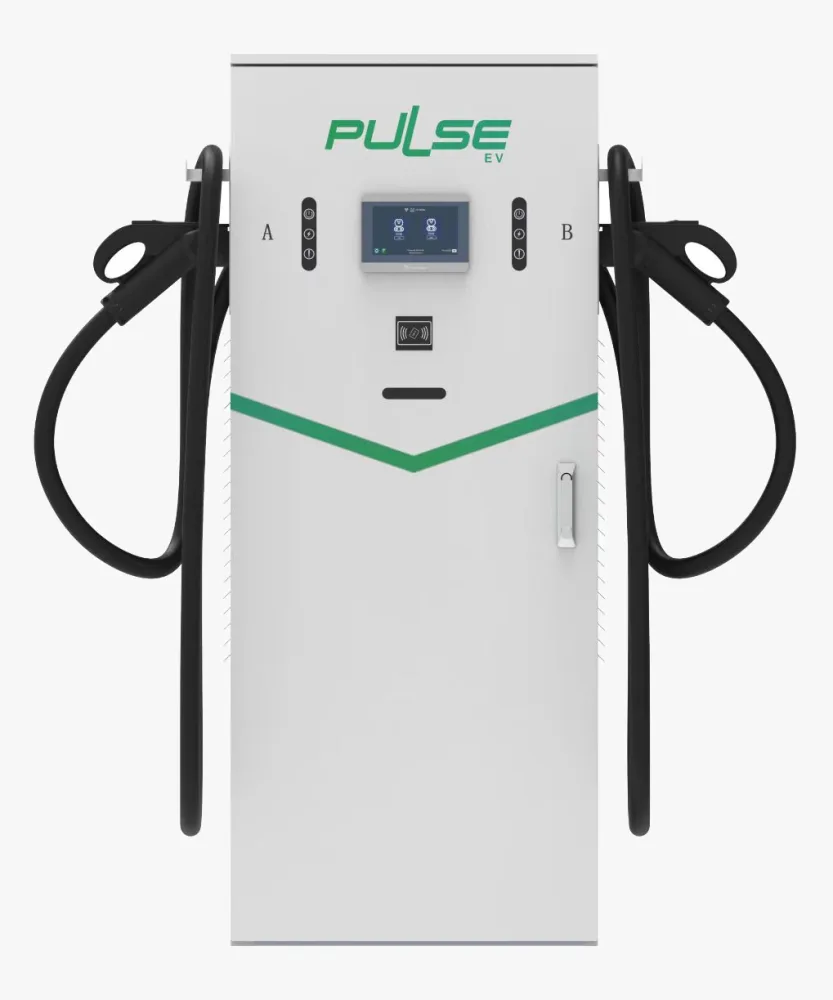
DC fast charging station
Shopping malls, business centers, fuel stations.
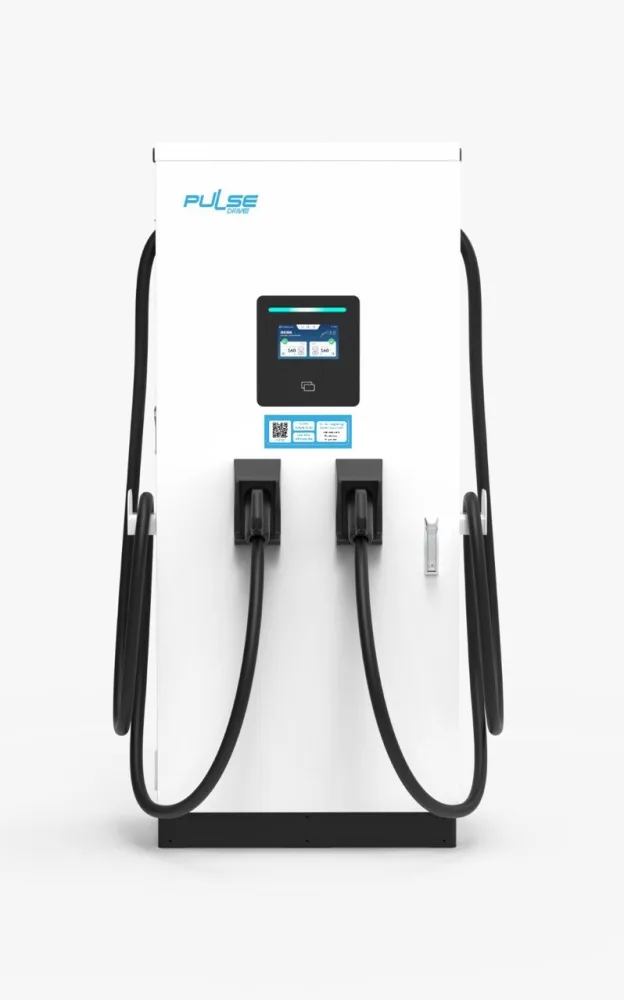
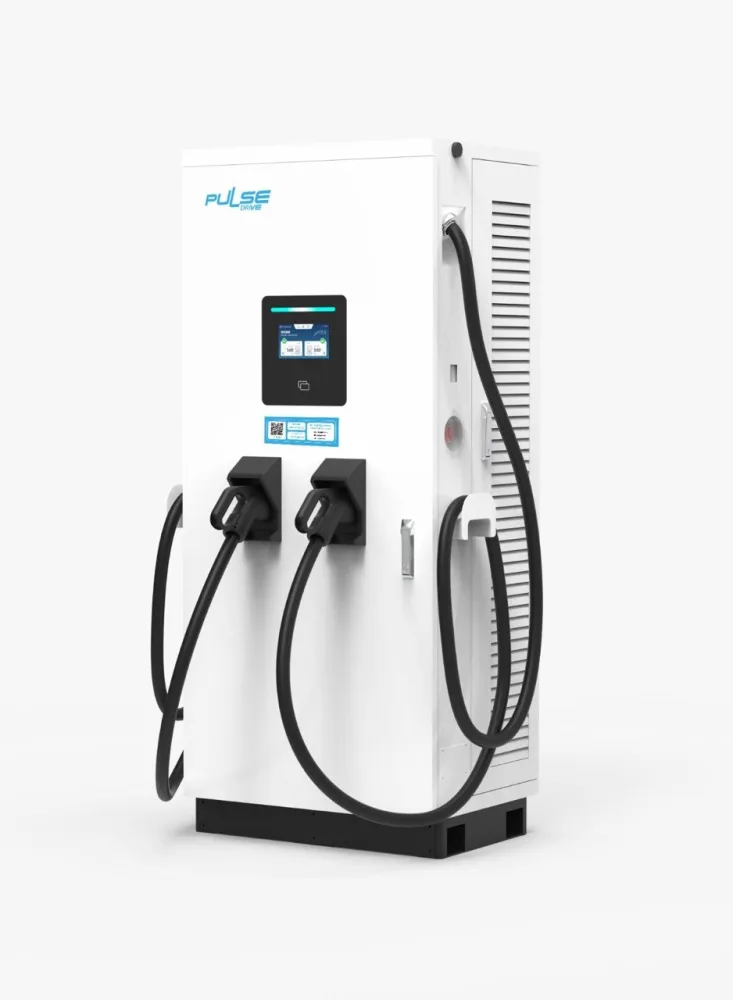
DC fast charging station
Fuel stations, highways, large shopping malls.
All prices include 12% VAT.
Frequently asked questions
Can I install a DC station at home?
Technically yes, but it is overkill and expensive for a home: the car is parked all night anyway, and AC 7 kW charges it in that time. DC is for places where the driver has little time.
Do AC and DC use the same connector?
The standard is the same — GB/T, but the EV has two different ports: one for AC and one for DC. All Pulse EV stations ship with GB/T.
Which station is right for earning money?
DC stations from 20 kW: the Pulse EV 80/20 investment program starts with them.
Read also
Let's start with a survey of your site
One engineer visit — and you get a tailored configuration, connection scheme and an exact quote for your site.

Get in touch


 Yandex Maps
 2GIS
 Download for iOS
 Download on Android

Charge your electric vehicles easier and more conveniently with Pulse EV. Through our application you can find the nearest station at any time. Our stations, equipped with the latest technology, ensure fast and safe charging.
info@pulseev.uz
+998 78 555 76 76
ООО "PULSE EV"
TIN: 311248927
DUNS: 933904741
100007, Tashkent, Tepa masjid 69 (Gold Step building, 1st floor)
We accept

Languages
© 2026 Pulse EV. All rights reserved.